

Hotel General Managers are being asked to make faster, more confident decisions across food & beverage, staffing, and guest experience — and increasingly, those decisions are shaped by how digital ordering in hotels is changing guest behaviour — often with less margin for error than ever before. Labour pressure, rising costs, and shifting guest expectations have made “good enough” decisions harder to justify.
Yet many of those decisions are still shaped by limited inputs. POS reports show what sold. Guest feedback captures extremes. Anecdotal observations fill in the gaps. What’s often missing is visibility into intent — how guests browse, hesitate, compare, and ultimately decide.
Traditional ordering methods simply don’t reveal this behaviour. Phone orders capture outcomes, not the journey. Printed menus offer no insight at all. Digital ordering changes that dynamic. Not by adding complexity, but by quietly revealing how guests actually think and behave when given space to choose on their own terms.
Visibility Into Guest Intent
One of the most immediate shifts that occurs when ordering goes digital is visibility into intent — not just transactions.
Hotels begin to see the gap between what guests view and what they ultimately purchase. Certain items attract strong interest but convert poorly. Others are consistently skipped, not because they lack appeal, but because of where they sit on the menu, how they’re described, or how they’re priced relative to expectations.
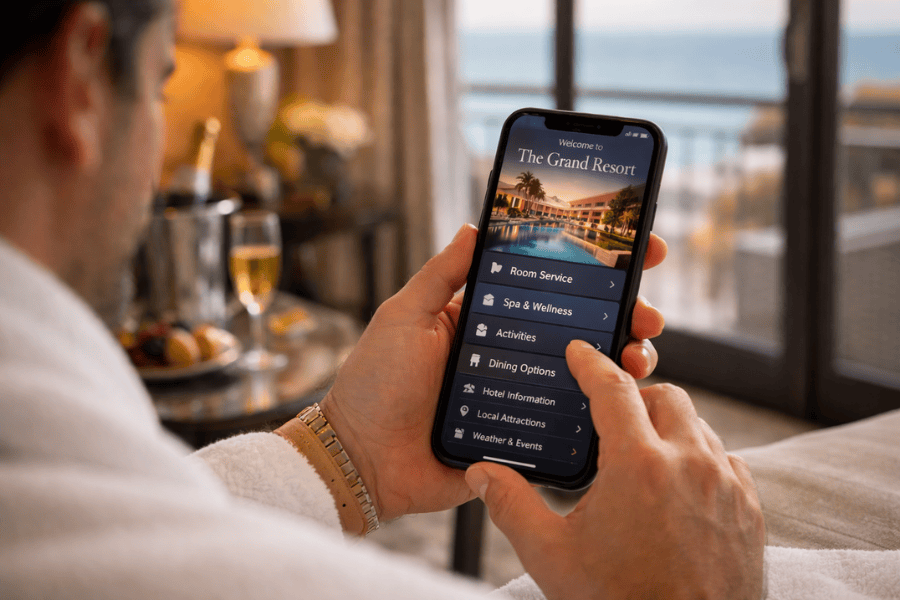
This also highlights blind spots that are otherwise invisible. Guests may browse multiple categories before abandoning an order. They may scroll past add-ons that are never surfaced at the right moment. Entire sections of a menu can go largely unseen without anyone realising.
Crucially, these insights don’t point to wholesale change. More often, they support refinement. A description clarified. A price adjusted. An item repositioned. For GMs, this replaces assumption-led decisions with evidence — and reduces the risk that comes with menu changes driven purely by instinct or tradition.
Clearer Understanding of Demand Timing
Many hotels operate around assumed demand windows — breakfast, lunch, dinner, late night — yet guest behaviour doesn’t always follow these patterns as neatly as rosters do.
Digital ordering reveals when guests actually want to order. Late-night comfort food, mid-afternoon coffee and dessert, post-check-in snacks — these moments often sit outside traditional service expectations but represent real demand nonetheless.
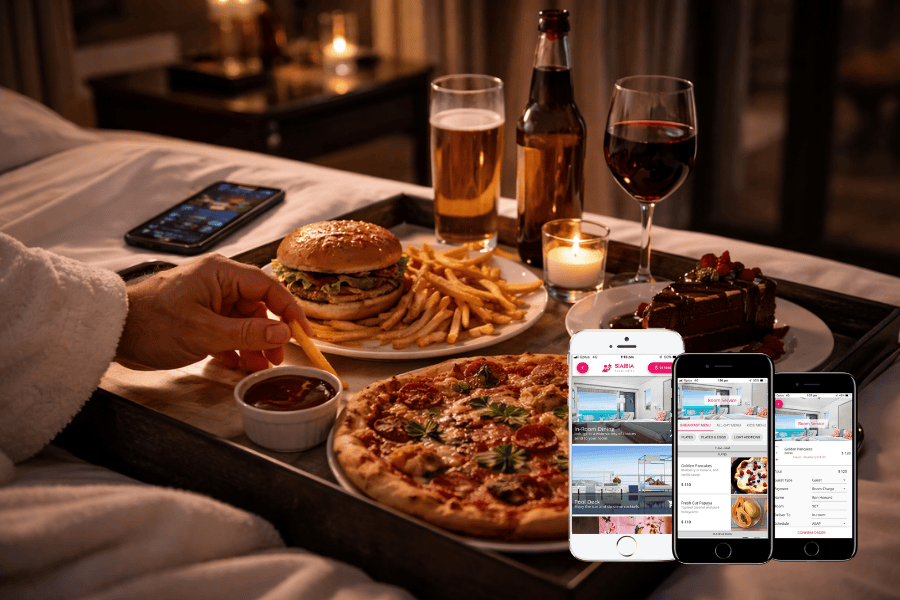
Over time, clearer patterns emerge. Differences between weekdays and weekends. Variations by season or event periods. Distinct behaviours between corporate travellers, leisure guests, families, and solo travellers.
For General Managers, this insight supports smarter decisions around rostering, preparation, and availability. Rather than increasing headcount, resources can be aligned more accurately to real demand. The result is better coverage where it matters, without carrying unnecessary cost where it doesn’t.
Insight Into Upsells and Pairings
Upselling has always been part of hospitality, but when it relies solely on staff, outcomes vary widely. Confidence, workload, timing, and individual approach all influence whether an add-on is offered — and how it’s received.
Digital ordering removes that inconsistency and replaces it with insight. Hotels can see which add-ons guests naturally accept, which pairings work best, and when those prompts are most effective. A side that performs well with dinner may be ignored at lunch. A dessert prompt may work late evening but not earlier in the day.
Timing and context prove critical. Subtle, well-placed suggestions often outperform verbal upsells, precisely because they don’t feel like selling. For GMs, this insight enables revenue growth that remains aligned with brand standards and guest expectations, while delivering consistency across shifts and teams.
Turning Guest Behaviour into Better Decisions
The real value of digital ordering is not the volume of data it produces, but the clarity of insight it provides. Visibility into behaviour — what guests consider, when they act, and how they respond — leads to better decisions across menus, staffing, and service design.
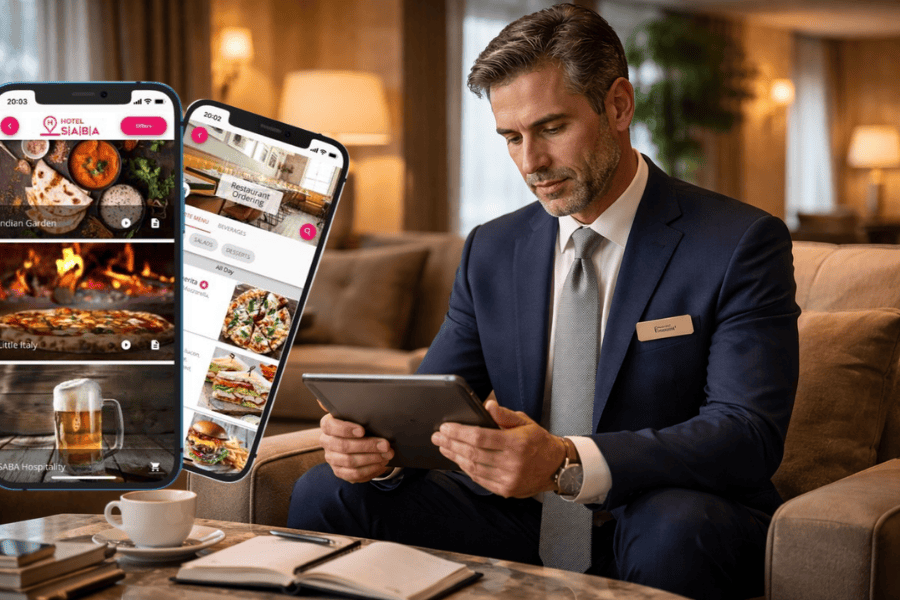
For Hotel General Managers, digital ordering becomes a quiet decision-support tool. One that reduces guesswork, sharpens judgement, and enables small, informed adjustments that compound over time.
When guests are allowed to order naturally, hotels finally gain the visibility needed to listen and respond more effectively.
In practical terms, this clarity translates into higher average guest spend, more consistent upselling, and fewer missed opportunities across the day. Teams spend less time taking orders and correcting errors, guests feel more comfortable ordering on their own terms, and General Managers gain confidence that revenue growth is aligned with brand standards and guest expectations.
Need help considering or selecting the best technology for your Hotel and guests? Technology 4 Hotels can save you time and hassle, and help you increase your revenue. If you have feedback on this article or would like to connect, please get in touch via phone +61 2 8317 4000, or book a time for a complimentary 15-minute Tech Chat, just click here.
Frequently Asked Questions
A:
Digital ordering in hotels allows guests to browse menus and place orders directly from their own device, rather than calling or relying on printed materials. Beyond convenience, it also provides hotels with insight into how guests browse, decide, and interact with menu offerings.
A:
Digital ordering removes friction from the ordering process. Guests can take their time, view clear descriptions and imagery, and place orders without waiting or miscommunication. This leads to a smoother, more comfortable experience, particularly for in-room dining and late-night orders.
A:
Hotels gain visibility into guest intent — what guests view, skip, abandon, or add on. This includes insights into popular items, missed opportunities, demand timing, and natural pairings, helping GMs make more informed decisions across menus, staffing, and service design.
A:
Digital ordering provides evidence-based insight rather than anecdotal feedback alone. GMs can better understand real demand patterns, refine menus without overhauls, align staffing to actual ordering behaviour, and improve consistency across shifts without increasing operational complexity.
A:
No. Digital ordering enhances room service rather than replacing it. It shifts the ordering process to a more convenient channel while allowing teams to focus on preparation and delivery, preserving service standards while reducing friction.