
Hospitality has always been built around human connection. But there’s a growing body of evidence that in certain moments, a hotel digital compendium does what no staff member can — it removes the friction that stops guests from spending, without removing the experience that keeps them coming back. And more importantly for hotel owners and GMs: it increases spend.
The assumption that more service touchpoints equals more revenue is quietly costing hotels money. Not because service doesn’t matter — it does, enormously — but because not every interaction is created equal. Some moments call for a warm human presence. Others call for a frictionless screen and no one watching.
Not All Service is Created Equal
It’s 10:47pm. A guest has just finished a long day of meetings. They’re in bed, the TV is on, and they’re vaguely hungry. On the nightstand is a printed compendium — last updated eight months ago — and a phone that connects to a front desk they’d rather not bother at this hour.
So they don’t. They go to sleep a little hungry, check out in the morning, and leave a perfectly fine three-star review.
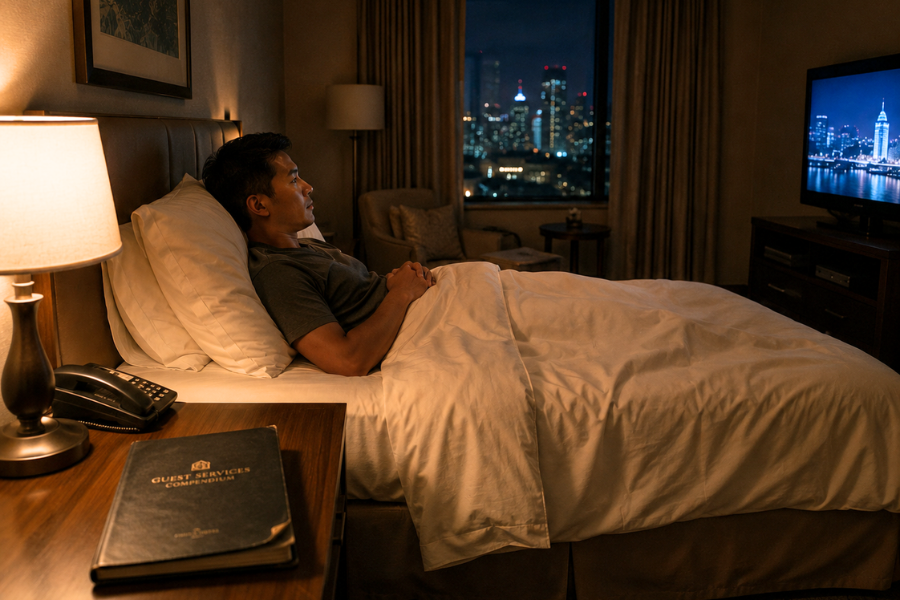
That guest would have ordered. The barrier wasn’t desire — it was friction. And that friction cost you a room service order, a bottle of wine, maybe a dessert. Multiply that by a third of your rooms on any given night, and you’re looking at a meaningful revenue gap that never shows up on any report — because the order was never placed.
Now imagine that same guest picks up their phone, scans a QR code on the nightstand, and within seconds they’re browsing a full digital menu — beautifully presented, easy to navigate, no app to download, no call to make. They order a cheese board and a premium bottle of red. The system automatically suggests a bottle of sparkling water and some nuts to go with it. They add both without thinking twice.
That’s not a technology story. That’s a revenue story.
Rethinking Service vs Convenience
Not all guest interactions carry the same value. Some build loyalty — a warm welcome at check-in, a personalised recommendation from the concierge, a problem resolved with genuine empathy. These are the moments where your team earns five-star reviews and repeat bookings. They are irreplaceable.
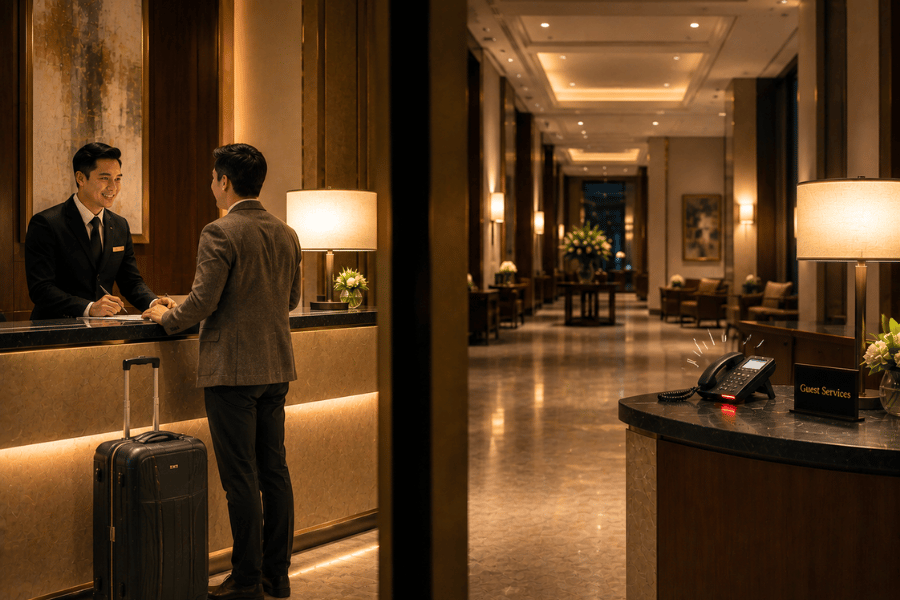
But others create friction without adding value: a guest on hold waiting to order room service, repeating a housekeeping request that didn’t come through, navigating a clunky phone menu at midnight. These interactions don’t build loyalty — they quietly erode it.
The mistake many hotels make is defending all interactions equally. The smarter move is to identify which moments guests actually want to share with a human — and which ones they’d rather handle themselves — then build the operation around that distinction. Guests don’t want less service. They want the right service at the right moment.
Where Human Touch Adds Value — and Where It Quietly Kills Conversion
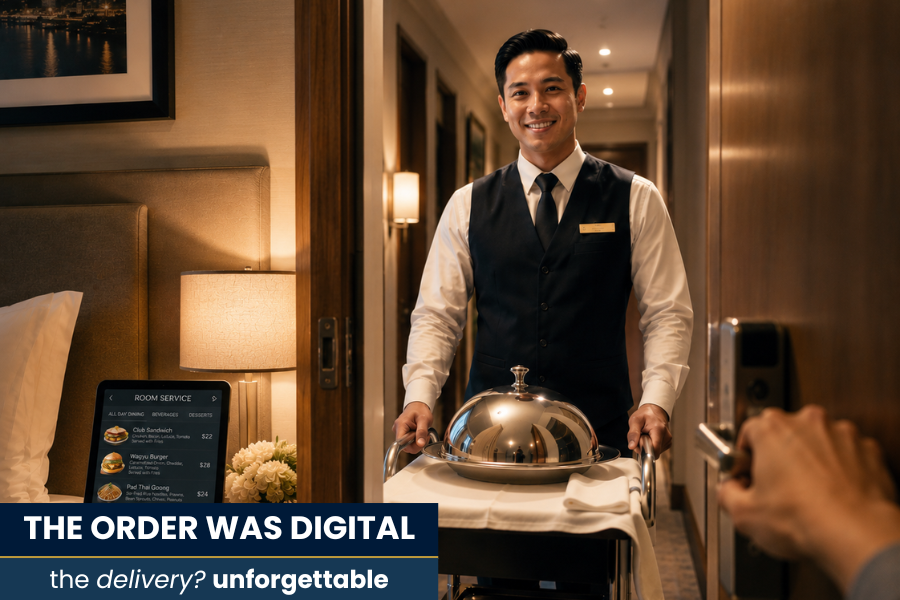
Human touch wins every time at arrival and first impressions, during problem resolution, and in personalised concierge moments where local knowledge and genuine warmth can’t be replicated by a screen. And it absolutely wins at delivery. When a staff member arrives at the door with a trolley, lifts the cloche, and presents a meal with a smile. It signals care. It signals craft. It tells a guest that someone, somewhere in that hotel, took their order seriously and made something of it. That moment is what separates a hotel stay from ordering UberEats in a serviced apartment, and no amount of digital convenience should ever replace it. The order may have been placed on a phone, but the delivery is all human — and it should stay that way.
Where human touch quietly kills conversion is elsewhere: late-night F&B ordering where a guest hesitates to call and simply goes without, minibar items that go unordered because the guest doesn’t want to deal with the awkward checkout conversation, housekeeping requests that feel intrusive to ask for so the guest just lives without, and routine queries like Wi-Fi passwords and checkout times that pull staff away from more important things. These are the moments a hotel digital compendium was built for.
The Right Tool for the Moments Your Team Shouldn’t Handle
A good hotel digital compendium works quietly in the background — accessible to every guest on their own device via a simple QR code, no app download required. It looks and feels like an app, so guests pick it up intuitively.
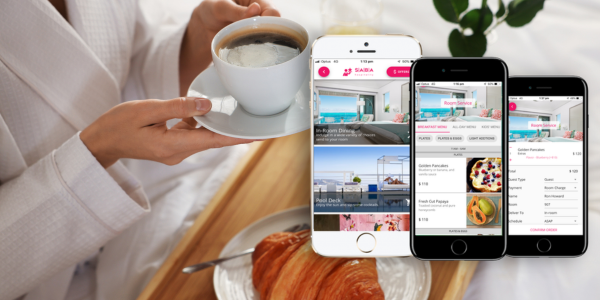
Take the minibar. For many hotels it’s a source of constant friction — stock to manage, rooms to check, expired items to write off, and checkout disputes to navigate. The on-demand model flips this entirely. Remove the stocked minibar, put a QR code on the fridge, and let guests order what they actually want. The system handles upsells automatically — the cheese plate with the wine, the nuts with the beer — and because the guest ordered it themselves, there are no denials at checkout. Revenue goes up, wastage goes down.
The same logic applies across F&B ordering, digital menus that update in seconds, and housekeeping on-demand — where guests request a clean rather than receiving one automatically. Properties making this shift are saving up to 70% on housekeeping costs, with guests appreciating the control and privacy that comes with it.
The Bottom Line
The most profitable guest interaction isn’t always the one your team has. Sometimes it’s the one that never needed to happen — because the guest got what they wanted instantly, privately, and on their own terms.
Rethinking where human touch adds value isn’t about cutting service. It’s about sharpening it. And a hotel digital compendium like SABA is how you do both at once — more revenue in the moments your team can’t cover, and better service in the moments they can.
Need help considering or selecting the best technology for your Hotel and guests? Technology 4 Hotels can save you time and hassle, and help you increase your revenue. If you have feedback on this article or would like to connect, please get in touch via phone +61 2 8317 4000, or book a time for a complimentary 15-minute Tech Chat, just click here.
Frequently Asked Questions
A: A hotel digital compendium is a digital replacement for the traditional printed in-room booklet — accessible instantly on a guest’s own device via a QR code, with no app download required. And yes, guests use it. Because it looks and feels like an app, it’s intuitive from the first scan. More importantly, it removes the friction that stops guests from ordering or making requests in the first plate — which is where the real value lies.
A: Quite the opposite. A hotel digital compendium like SABA enhances the guest experience by giving guests control over their stay — from browsing menus and placing F&B orders to requesting housekeeping on their own terms. The human moments that matter most, like the delivery of a meal or a warm check-in, remain entirely in your team’s hands. The technology simply handles everything in between.
A: Minibar on-demand removes the stocked in-room minibar and replaces it with a QR code guests use to order items directly to their room. It eliminates stock wastage, labour-intensive restocking, and checkout disputes — while simultaneously increasing revenue through automatic upsells and a wider, more premium product range. Properties that have made the switch report immediate improvements to both revenue and operational costs.
A: Yes — and significantly. By shifting to a housekeeping on-demand model, where guests request a room clean rather than receiving one automatically, properties are saving up to 70% on housekeeping costs. Guests are informed upfront that their room won’t be entered unless requested, which most genuinely appreciate. When they do want a clean, they choose between a full clean or an eco-clean — giving them control while reducing your operational overhead.
A: Most hotel apps require a download, an account, and a reason for guests to engage before they’ve even arrived. The reality is that most guests don’t bother. A hotel digital compendium like SABA requires none of that — guests scan a QR code on their own device and they’re in instantly. No friction, no barrier, no abandoned downloads. For properties that want to capture in-stay revenue and streamline operations, the QR-based compendium consistently outperforms the app model for in-room engagement.